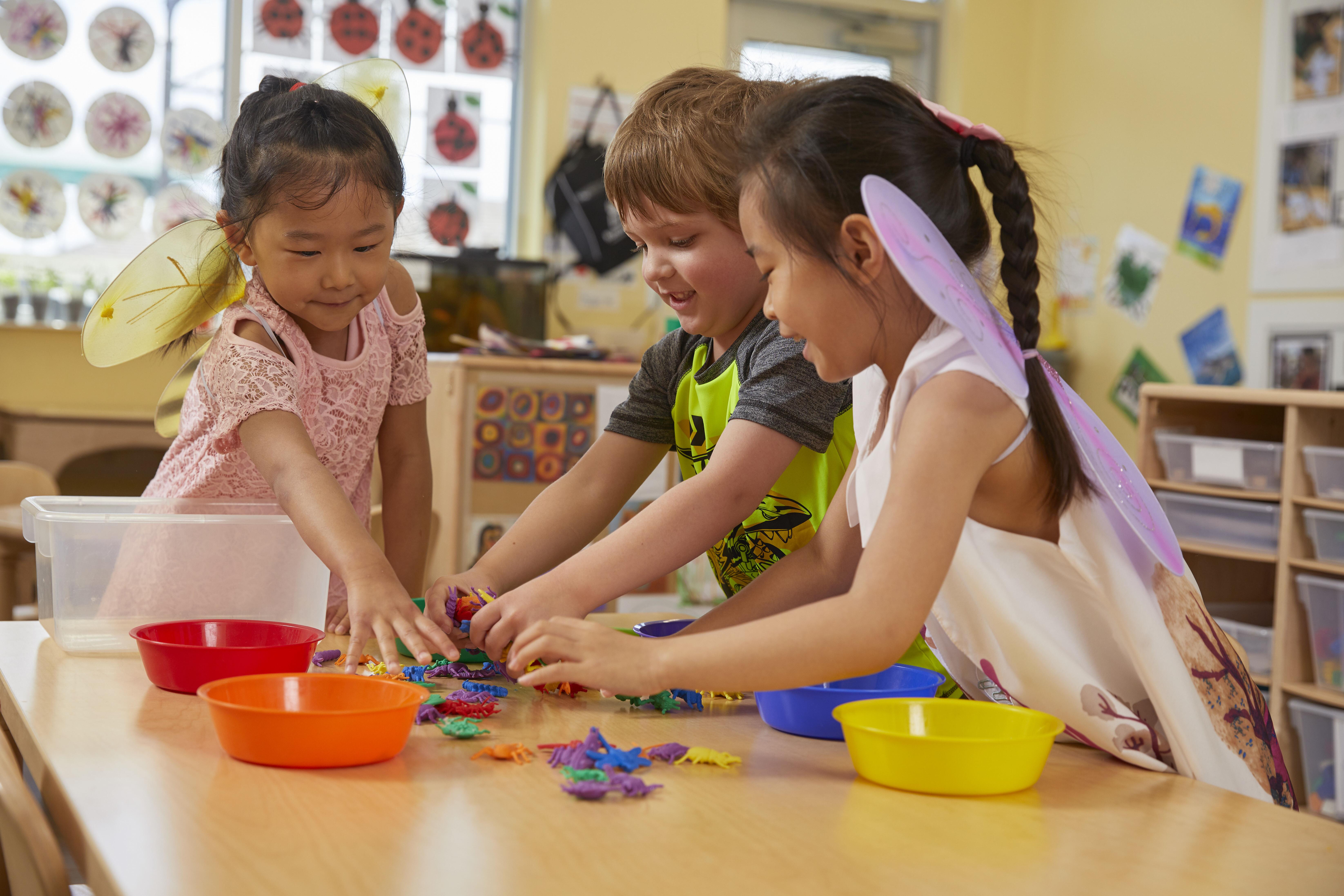
When parents think about kindergarten readiness, they often focus on academic milestones like reciting the alphabet or counting to ten. However, educators emphasize that the social-emotional and executive function skills children develop in pre-K are equally, if not more, important. These foundational abilities enable children to navigate the complex social and academic demands of elementary school.
Dr. Lisa Grant, vice president of KinderCare Learning Companies' Education Programs, explains that readiness extends beyond knowledge. “A child might know their letters and numbers, but they also need to be able to join a group, follow directions, bounce back from challenges, and work through disagreements with classmates.” These skills, she notes, help children feel confident and fully engage in learning.
High-quality pre-K programs intentionally foster these skills through guided play, routines, and collaborative activities. Here are key social-emotional skills that pre-K helps cultivate:
Sharing: Sharing is a complex concept for young children. “To a four-year-old an object shared is a thing that’s given away, never to return,” says Dr. Grant. Pre-K teachers help children understand that sharing isn't losing, but a way to build community. This prepares them for collective ownership in school, like using shared crayons or library books.
Taking turns: Turn-taking is essential for classroom order and social interaction. Whether waiting to speak or waiting for a swing, self-regulation is challenging but crucial. Mastering turn-taking in pre-K helps children function in a group, ensuring a productive learning environment for all.
Conflict resolution: Disagreements are inevitable. Pre-K teachers guide children through calming themselves and finding mutually acceptable solutions. “Conflict resolution is about developing self-control to think creatively for a solution that works for everyone,” says Dr. Grant. This problem-solving skill extends far beyond the playground.
Independence: Managing personal responsibilities, following routines, and making choices independently build confidence. These everyday tasks, like putting away materials or following multi-step directions, ease the transition to kindergarten and foster self-reliance.
Families evaluating pre-K options should look beyond academics. Kindergarten readiness emerges when social-emotional, executive function, and academic skills develop together. While sharing and turn-taking may seem like basic manners, they are early building blocks for collaboration, self-regulation, flexibility, and problem-solving. These skills not only smooth the transition to school but also nurture confident, capable learners for life.
For more information on how pre-K programs support kindergarten readiness, visit KinderCare.com.