Washington, DC’s luxury real estate market had a January and February this year that were, by most accounts, flat. Then May happened. Daryl Judy, Associate Broker with Washington Fine Properties, noted a sudden shift: “All of a sudden, people are like, okay, I’m going to sell my investment, we’re going to make the move now. Something has shifted.” That shift follows a pattern Judy calls the cascade effect, where one significant sale creates conditions for the next.
Activity at the top of DC’s luxury market clusters rather than trickles. Buyers at this level, insulated from interest rates, seek social permission. They want confirmation that other serious buyers are moving in their desired neighborhood and price tier. “People don’t want to invest in a company until they know someone else invested,” Judy said. “Who else bought here? There’s security in knowing other people are willing to spend that kind of money.”
Judy described two recent Georgetown examples. In one, a buyer hesitated on a property that had been on the market for over two years. When told another party was returning for a second showing, she waited too long, and the competing buyer placed an accepted offer within 24 hours. She then turned to a second property, the one that had sat for two years, and the day she placed her offer, a second offer came in. “That’s the cascade effect,” Judy said. “The moment someone saw someone else was ready to act, everything accelerated.”
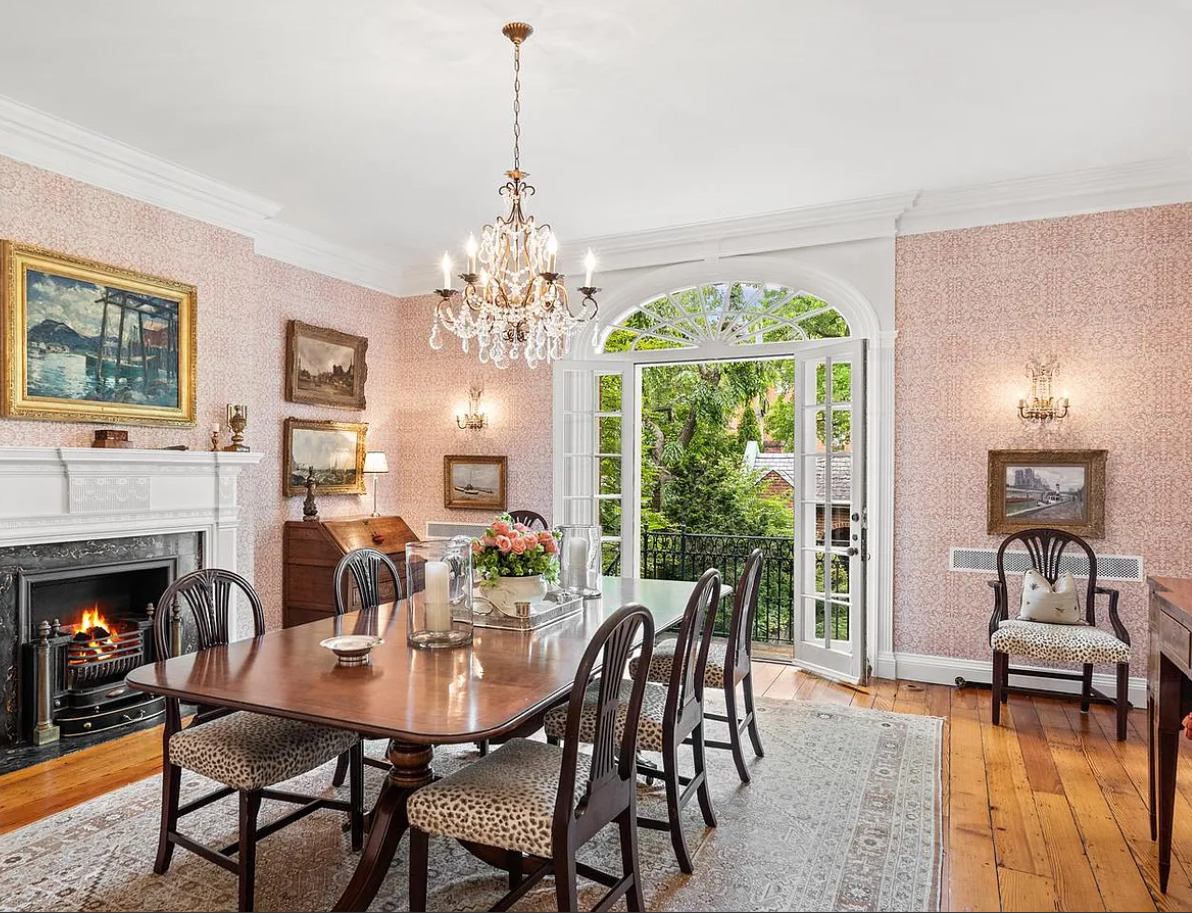
In another case, Judy worked with a buyer on a property at 1671 31st Street NW, which sold for $6,525,000. The buyer had also viewed 3307 N Street, the home Jackie and John Kennedy owned when he ran for president. When word came of competing interest on the 31st Street property, that information pushed her to act. The house sold. Movement drives more movement.
Market data backs the pattern. Across the DC, Maryland, and Virginia metro area, sales above $5 million rose from 45 transactions in 2023-2024 to 78 in 2024-2025 – a 73 percent increase. In Georgetown, only nine properties have sold above $6 million in the past 365 days out of 134 total sales. Those nine transactions are not independent; they feed each other. “Once something gets going and people start realizing there’s been a big sale in this neighborhood, the cascade happens,” Judy said. “January was flat. February was flat. May was straight out.”
For buyers, the implication is that a property sitting for two years can go under contract with competing offers in a single day. Judy advises getting clear on priorities before that pressure arrives. For sellers, the cascade effect means pricing strategy at the outset matters more than it might appear. Overpricing tends to leave a property sitting while the market moves around it. A well-priced home can generate its own momentum. “Most of these people don’t have to buy and don’t have to sell,” Judy said. “But when the right house comes, there’s an emotional attachment, and the market rewards the people who are ready.”