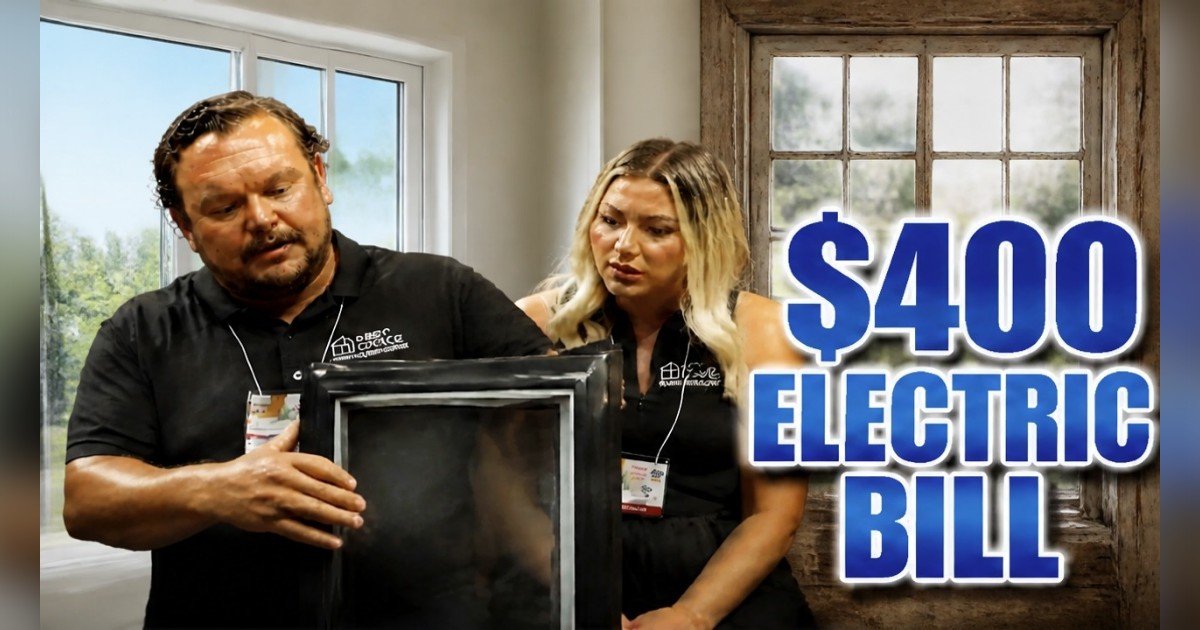
A San Antonio couple is using a striking household energy comparison to spotlight what they say is a widespread but overlooked problem in modern home construction: the quality of windows. On the latest episode of The Building Texas Show, hosts Justin McKenzie speaks with Gabby and Jonathan, owners of First Choice Windows and Home Exteriors, about why a smaller rental can cost far more to cool than a larger new build.
The episode, recorded at the San Antonio Home and Garden Show, opens with a comparison that frames the entire conversation: a rental under 2,000 square feet running $400 to $500 a month in electricity, versus a 3,200 square foot new build in San Antonio running $150 to $200. Jonathan’s diagnosis is blunt: it’s the windows. The implication is significant for homeowners and buyers who assume that a newly constructed home, even a million-dollar Toll Brothers property fitted with Ply Gem windows, delivers the energy performance they expect. According to the discussion, builder-grade windows may not meet the efficiency standards buyers assume, leaving them with higher utility bills and uncomfortable rooms.
Gabby describes the moment the math clicked for her after moving into their sunnier, larger new build. “That’s like a $300 difference in this bill here. And he was like, it’s the windows. And I was like, are you serious?” The couple’s experience underscores a broader consumer education gap: many homeowners do not realize that windows are a primary source of air loss until they see the costs add up.
Jonathan offers a homeowner test that requires no tools at all. “Just standing next to the window during the summer... if you’re feeling that heat come through or if you’re feeling that cold front come through, it’s probably necessary to get something done,” he tells McKenzie. The episode also covers how blower door and pressure tests can expose air loss through doors and windows, giving homeowners a more technical way to verify performance.
The conversation extends beyond windows to the broader construction landscape. The couple warns homeowners away from tackling installations themselves, insisting windows are not a DIY project. They discuss craftsmanship gaps in modern construction, the counterweight-and-rope mechanisms still hiding in 1940s, 50s, and 60s wood windows around San Antonio, and the leak calls that followed heavy rain events, including flooding in Kerrville. These details point to a larger implication: as older housing stock ages and new construction cuts corners, the demand for specialized window and exterior services is likely to grow.
First Choice’s own story reflects that demand. What began as First Choice Window Solutions has expanded into siding, sunrooms, fences, and a roofing partnership with Texas Roof Guardians. Jonathan, whose father has run a fence, patio cover, and concrete business for more than 30 years, explains why the company sells name brands like Andersen and Pella at lower prices: no 75-truck fleet, no 20 offices, and lower marketing overhead. Gabby, who left a corporate learning and development role in multifamily property management to build the back end of the company, frames the mission as keeping home improvement affordable for buyers already stretched by a 30-year mortgage.
The episode also touches on local identity. Gabby calls San Antonio the home of small businesses, yet she could not find a single locally owned window shop when she went looking. That gap became the foundation for a husband-and-wife team building a locally owned alternative in a market dominated by national brands. For listeners, the takeaway is clear: window quality can be a hidden driver of energy costs, and simple observations may be the first step toward meaningful savings.