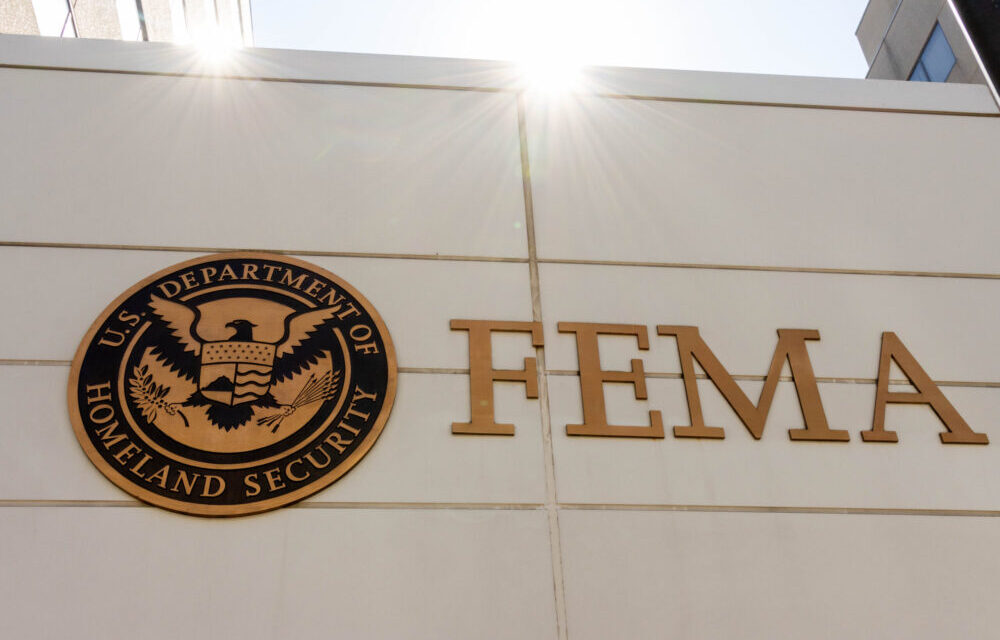
The Trump administration has denied Maryland's final appeal for federal disaster relief for Western Maryland communities still recovering from May's historic flash floods, leaving at least $33.7 million in flood damage unaddressed. The decision affects Allegany and Garrett Counties, which have been awaiting assistance since the spring. This denial underscores the challenges faced by rural areas in securing federal aid, especially as climate-related disasters increase.
Meanwhile, Maryland's Democratic senators, Chris Van Hollen and Angela Alsobrooks, voted against a Republican bill that would limit back pay to only essential federal workers during the ongoing government shutdown. The Senate failed to advance the proposal, as Democrats push for broader measures to pay all workers and reopen the government. Most federal employees will miss their first full paycheck on Friday or early next week, adding financial strain to thousands of Maryland households. The shutdown also threatens food assistance for over 42 million Americans, including 40% under age 17, if Congress does not address a funding shortfall in the Supplemental Nutrition Assistance Program (SNAP) by November 1.
In addition, Maryland's Supplemental Nutrition Assistance Program Education (SNAP-Ed) has been defunded as of October 1, following President Trump's "Big Beautiful Bill." This program provided nutrition education to low-income families, and its loss could exacerbate food insecurity and health disparities.
Healthcare costs are also rising, with Obamacare premiums jumping as Congress deadlocks on subsidy extensions. GOP officials argue that current subsidies, enacted during the Biden administration, were temporary and costly, with the Congressional Budget Office estimating they would add $355 billion to the deficit over the next decade. This increase will burden Maryland residents already facing economic uncertainty.
Governor Wes Moore highlighted the contrast between private sector job growth and federal job cuts during a visit to a new job center in Montgomery County. While Maryland has seen job gains under his administration, the federal shutdown and other actions have impacted the state's employment picture. Meanwhile, U.S. Rep. Jamie Raskin called on Maryland to fight back against GOP-led redistricting efforts, which he says threaten democracy.
Further complicating matters, a software error caused 293 former state workers to receive double their buyout payments, leading to frustration and administrative headaches. Hundreds of Maryland federal workers affected by the shutdown are taking temporary state loans to cover living expenses. The state's infrastructure also received a "C" grade on the 2025 Report Card for Maryland’s Infrastructure, with roads and bridges seeing grade decreases compared to 2020.
As the state navigates these challenges, local elections and policy debates continue. Democrat Schandelmeier aims to put working people first in his Annapolis reelection run, while Baltimore County Councilman Julian E. Jones Jr. calls for a review of the school system's AI-powered weapon detection system after a false alarm led police to point weapons at a student eating chips. These events highlight the multifaceted issues facing Maryland as it deals with federal policies, economic pressures, and local governance.