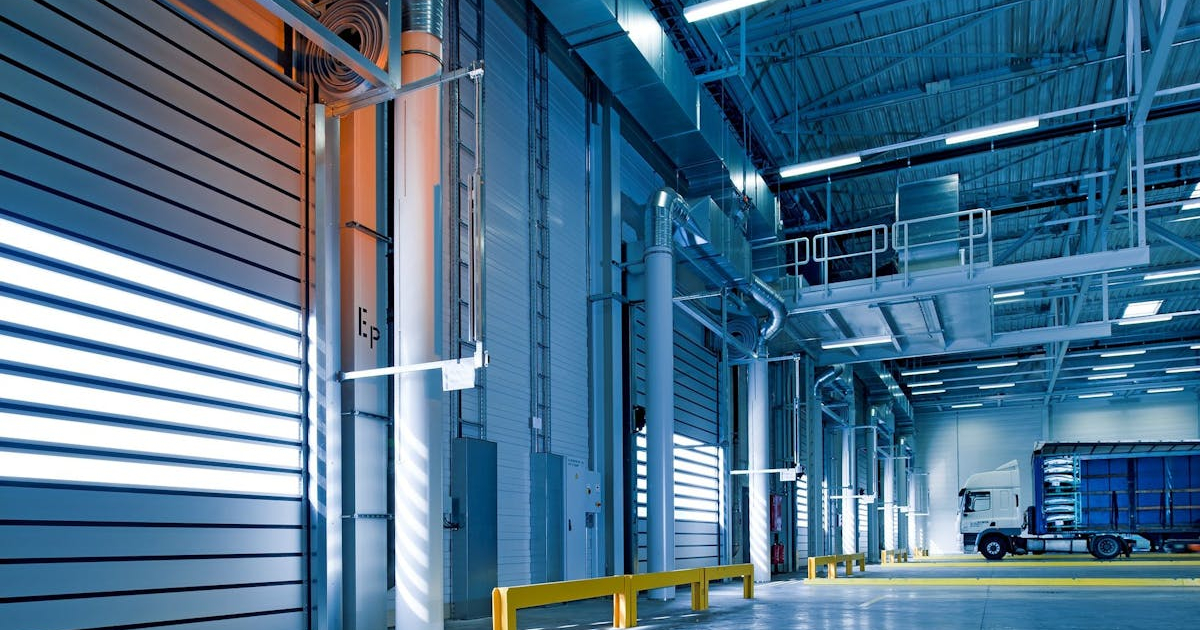
The artificial intelligence boom is typically framed around large language models, advanced chips and sprawling data centers. But every AI processor must be packaged, inspected and shipped in volume, and that work happens on factory floors largely hidden from the public eye. The nine largest cloud providers are expected to spend about $830 billion on capital expenditures in 2026, according to TrendForce estimates, a figure that underscores the sheer scale of the buildout. Converting that spending into working hardware depends on the automation and inspection equipment that ensures chips are packaged correctly and free of defects.
Nightfood Holdings Inc. (OTCQB: NGTF), doing business as TechForce Robotics, is moving directly into that layer of the supply chain. The company has acquired specified CoWoS automated optical inspection technology and plans a 20,000-square-foot manufacturing facility in Taiwan. It is targeting initial shipments in late November or early December 2026, subject to production readiness and customer orders. The move positions Nightfood as an emerging player in a niche that supports the broader AI ecosystem, alongside established leaders such as NVIDIA Corporation (NASDAQ: NVDA), Advanced Micro Devices Inc. (NASDAQ: AMD) and Applied Materials Inc. (NASDAQ: AMAT).
The strategic importance of this announcement lies in the often-overlooked reality that AI accelerators, including those built on CoWoS packaging, require precise optical inspection to achieve high yields. Without robust inspection, costly advanced packaging processes can suffer from defects that delay shipments and inflate costs. Nightfood's planned Taiwan facility places it close to the heart of semiconductor packaging operations, potentially allowing it to serve customers in the region's dense supply chain. The company's timeline, while subject to production readiness and customer orders, signals an intent to capitalize on demand as hyperscaler spending flows through to equipment suppliers.
For investors, the development highlights a segment that may benefit disproportionately from the AI buildout. While chip designers and manufacturers capture headlines, the equipment makers that enable volume production often see steady demand tied to capacity expansions. Nightfood's effort to establish a presence in automated optical inspection could offer exposure to this trend, though it remains a small player relative to industry giants. The company's commitment to strengthening its position as an innovator in the broader AI and automation ecosystem is clear, but execution risks and customer adoption will determine its success.
The announcement also reflects a broader pattern: as AI capital expenditures surge, the supply chain's supporting technologies, from inspection to robotics, become critical enablers. Companies that can provide reliable, high-throughput inspection solutions may find themselves in demand, even if they are not household names. Nightfood's move, therefore, is a reminder that the AI revolution is not just about algorithms and chips; it is also about the factories and tools that make those chips a reality. For those tracking the sector, the profile of Nightfood and its TechForce Robotics unit offers a window into this evolving landscape, and further details can be found in the Read More >> coverage.