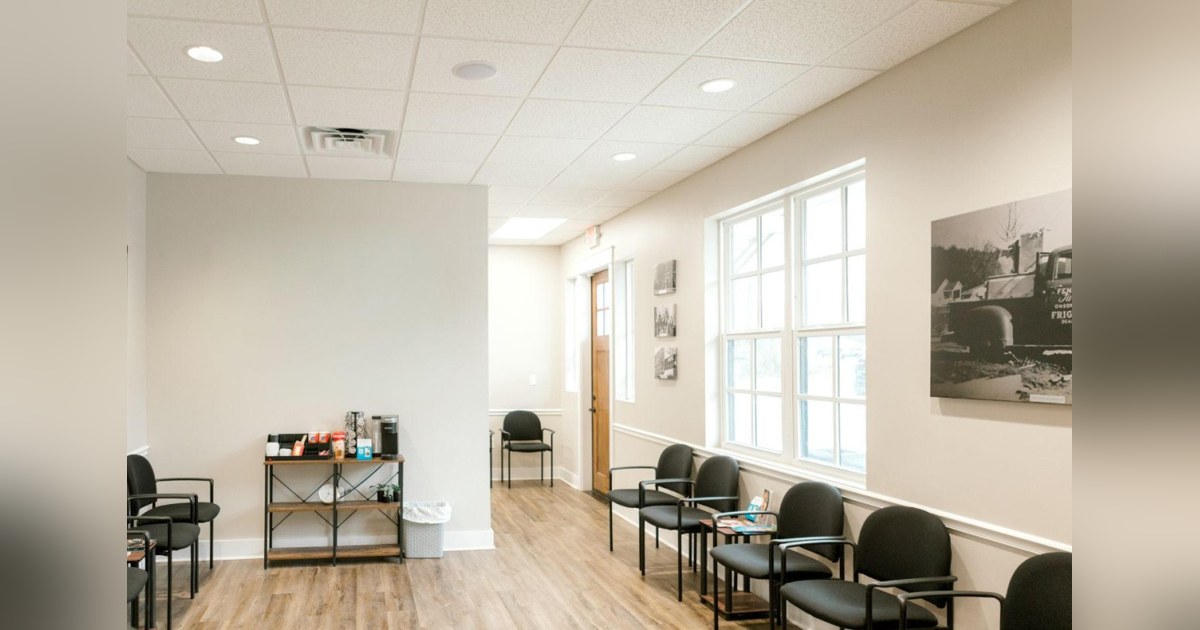
Hometown Orthodontics, an orthodontic practice with offices in Oneonta and Pinson, Alabama, has published comprehensive guidance for parents in Blount County on the use of Invisalign for younger patients. The information aims to help families make informed decisions about orthodontic treatment for their children and teenagers by explaining how clear aligner therapy works, what compliance indicators reveal, and when traditional braces might be the more appropriate choice.
Clear aligner treatment for adolescents involves more than simply switching trays. According to the practice, patients typically wear each set of aligners for approximately 20 to 22 hours per day, removing them only to eat, drink anything other than water, and brush and floss. Trays are changed on a set schedule to gradually move teeth into their target positions. Because the aligners are removable at mealtimes, teens can continue eating without the food restrictions that often come with brackets and wires. This flexibility can make treatment more manageable for active teenagers and their families.
One key feature of Invisalign for teens in Oneonta AL that Hometown Orthodontics emphasizes is the use of compliance indicators—small blue dots built into the aligner material that fade with wear. These indicators give parents and the orthodontic team a straightforward way to gauge whether a patient is wearing the aligners as directed. If the dots have not faded by the time a tray change is due, it signals that additional wear time may be needed before moving to the next set. Dr. W. Gregory Rape, founder and lead orthodontist, and associate orthodontist Dr. Jared Teeples note that consistent wear is central to whether clear aligner treatment stays on track. A teen who removes aligners for extended periods will not see the same progression as one who follows the schedule closely. The compliance indicator system was developed specifically with younger patients in mind, addressing a common concern parents raise when considering teen Invisalign in Oneonta AL against other orthodontic options.
However, clear aligners are not the right fit for every case. Hometown Orthodontics points out that certain bite issues, tooth positions, and developmental factors may make traditional braces the more effective path. Significant skeletal differences that require fixed appliances or growth guidance, several adult teeth that have not yet erupted, or concerns about consistent wear are examples where the practice may recommend braces instead. The practice encourages parents not to assume that one option is automatically preferable. The goal of an initial consultation is to evaluate the specific characteristics of each patient's teeth and jaw before recommending a direction.
During a consultation at Hometown Orthodontics, the clinical team takes a close look at the patient's bite, tooth alignment, jaw development, and overall oral health. Digital records, including digital X-rays and a 3D iTero intraoral scan, are typically gathered to give the orthodontists a complete picture of what treatment would involve. From there, Dr. Rape or Dr. Teeples walks the family through the findings and outlines which treatment options are realistic for that patient's case. Parents are encouraged to use this appointment to ask specific questions about treatment duration, wear schedules on school days, how sports or musical instruments factor in, and what happens if a tray is lost or damaged.
The guidance matters because it gives parents a clearer framework for evaluating whether Invisalign is suitable for their teen, highlighting both the convenience of clear aligners and the importance of compliance. By understanding the role of compliance indicators and the circumstances under which traditional braces may be more practical, families can approach orthodontic consultations better prepared to discuss the best path forward for their child's dental health.