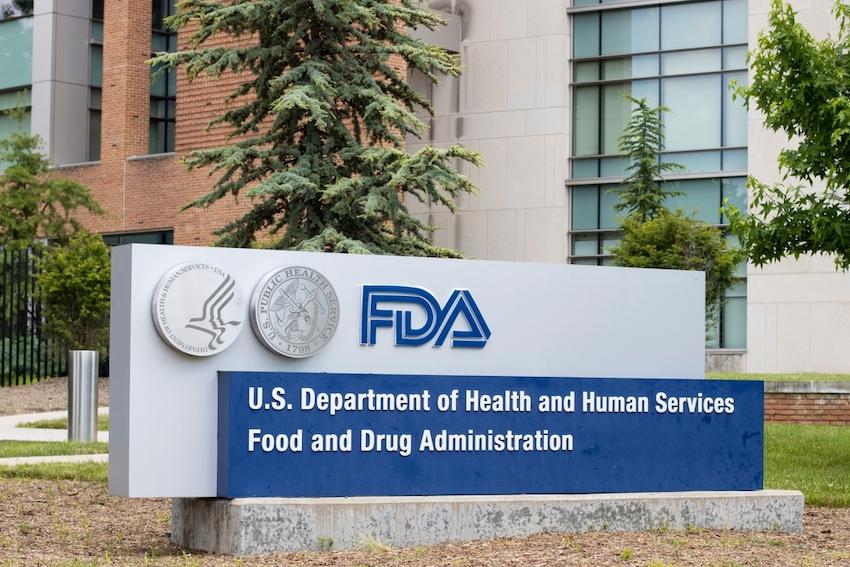
The landscape of illegal drug distribution has shifted from street corners to the digital realm, and the Food and Drug Administration (FDA) is failing to keep pace. Consumers purchasing retatrutide online may believe they are acquiring a safe, clinically validated weight-loss medication. In reality, they are buying an unapproved investigational drug from unregulated sources. Medical spas and online sellers have constructed a thriving black market around this molecule, using polished websites and professional packaging to deceive unsuspecting Americans. What makes this situation particularly alarming is the FDA's apparent inaction, allowing this illicit trade to evolve into a digital-age Wild West.
Retatrutide is an investigational compound currently undergoing clinical trials for obesity treatment. It has not received FDA approval and cannot be lawfully sold. This is not a matter of opinion but a legal requirement. Despite this, sellers aggressively market it as equivalent to or even superior to FDA-approved therapies. The drug is sourced from unregistered foreign manufacturers, with no guarantees of sterility, potency, or ingredient authenticity. When adverse events occur, distributors face no accountability and no obligation to report them. Consumers have no reliable way to know what they are injecting, and the consequences are already manifesting in hospitals and poison centers nationwide.
Documented reports describe hospitalizations due to acute kidney damage and severe gastrointestinal distress. One 42-year-old woman was rushed to the emergency room after suffering severe symptoms from black market retatrutide purchased online. Poison center reports have surged, with hundreds of cases reported in the first four months of 2026. The FDA's response to this explosion of illegal drugs has been limited to a few warning letters, which amount to less than a slap on the wrist. Such letters do not dismantle black markets; arrests and seizures do.
The deeper threat is institutional. Every day this market operates without robust enforcement, it becomes more entrenched, profitable, and normalized. The message the FDA is sending to these criminal sellers is that there is no cop on the beat. This emboldens them to pursue even more dangerous and brazen schemes. When the FDA finally decides to act, it will be significantly harder to dismantle these operations. This erosion of institutional credibility has repercussions that extend beyond any single drug.
Clinical trials exist because consumer demand is not a substitute for scientific evidence. Allowing investigational peptides to become internet lifestyle products before FDA review and approval is not democratizing medicine; it is degrading it. The FDA must take aggressive measures to shut down this market, coordinating with the Department of Justice, Customs and Border Protection, and the Federal Trade Commission to pursue seizures, injunctions, and criminal referrals against sellers and platforms fueling this illegal trade. The longer regulators hesitate, the more difficult it becomes to rein in this new frontier of illegal drugs in the digital age. The FDA must act now, before the window closes on effective intervention.