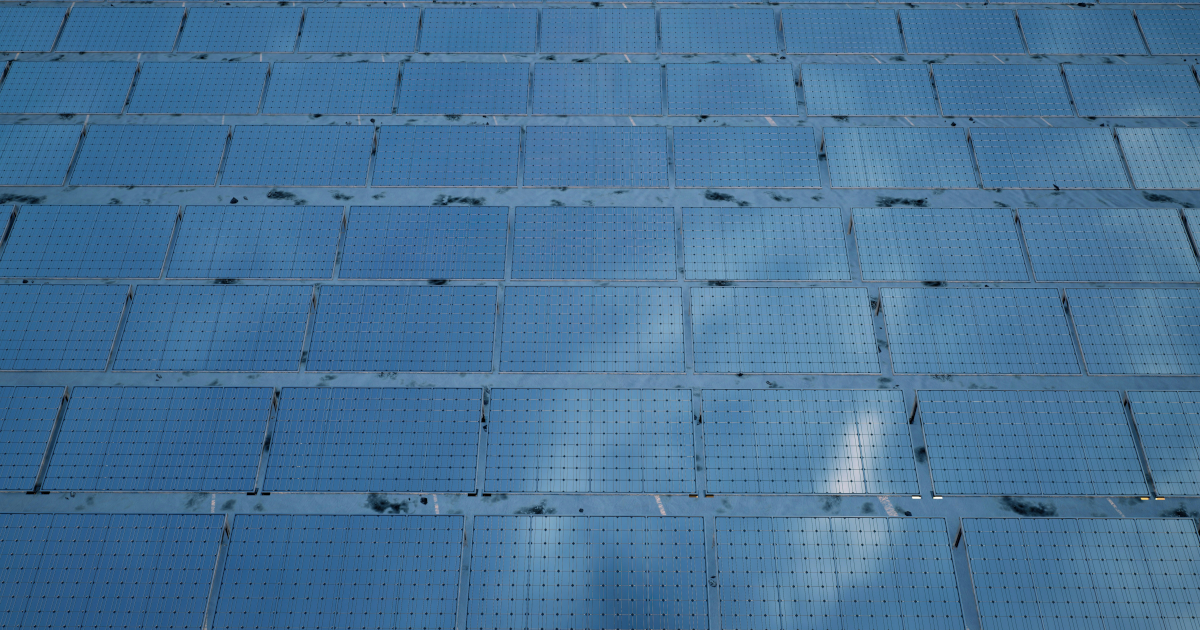
A strategic partnership between China and Gulf nations is fundamentally reshaping the renewable energy landscape across the Global South, combining technological expertise with financial resources to accelerate the transition away from fossil fuels. The collaboration, which leverages China's manufacturing and construction capabilities alongside the United Arab Emirates' capital and diplomatic influence, is poised to redefine energy access and geopolitical relationships in developing regions.
This cooperation goes beyond environmental imperatives, positioning the renewable transition as a tool for geopolitical influence and economic interdependence. As Chinese companies deploy solar panels, wind turbines, and energy storage systems across Africa, Asia, and Latin America, Gulf states provide the necessary investment and political connections. The arrangement creates a new dynamic where developing nations gain access to clean energy infrastructure but may become dependent on external partners for technology and financing.
For North American companies like GeoSolar Technologies Inc., this shift opens significant market opportunities in the Global South. The demand for renewable energy solutions is growing rapidly as countries seek to meet climate goals and reduce reliance on imported fossil fuels. However, the dominance of Chinese and Gulf players could create barriers to entry for Western firms unless they adapt their strategies.
The implications extend to global energy markets and climate policy. According to GreenEnergyStocks, a communications platform focused on green economy companies, the collaboration could accelerate the deployment of renewable energy in underserved regions, potentially reducing global carbon emissions more quickly. Yet, it also raises questions about technology transfer, local economic benefits, and long-term sustainability.
By combining China's manufacturing scale with Gulf sovereign wealth funds, the partnership can finance large-scale projects that might otherwise be unaffordable for developing nations. This model could become a blueprint for future energy transitions, emphasizing the role of state-led investment over private markets. Critics warn that it may entrench dependencies similar to those created by fossil fuel agreements, where resource-rich countries trade autonomy for infrastructure.
For investors and companies monitoring the green economy, this trend underscores the importance of understanding geopolitical shifts. The Global South's energy landscape is being remade not just by technology but by alliances that blur the lines between commerce and statecraft. As disclaimers on GreenEnergyStocks note, any forward-looking assessments carry risks, but the direction is clear: the renewable energy revolution is increasingly being shaped by partnerships between emerging powers.
In summary, the China-Gulf cooperation represents a significant realignment in how renewable energy is developed globally, with profound implications for markets, geopolitics, and the pace of decarbonization. Companies and governments alike must navigate this new reality to ensure equitable and sustainable outcomes.