Cheqroom, an equipment operations platform for high-value physical assets, has announced a strategic initiative to establish AssetOps as the definitive standard for operational excellence. This emerging discipline shifts the focus from passive inventory tracking toward real-time coordination of people, assets, and the work that depends on them.
The operational gap is measurable. Organizations relying on disconnected point solutions and spreadsheets encounter resource bottlenecks, project delays, and rising costs that compound over time. The challenge extends beyond field teams to facilities managers maintaining physical spaces, IT departments accounting for servers and infrastructure, and finance teams tracking fixed assets across multiple locations. All face the same fundamental limitation: systems designed to record what an organization owns rather than to support the work those assets enable.
Cheqroom developed AssetOps as a direct response to that gap. Building on established equipment management practices, the approach expands to connect departments and their full asset universe through a single engine designed to plan, track, and coordinate operations at scale. According to Jim Hite, CEO of Cheqroom, "Organizations are carrying real financial risk in how they manage physical assets, and most don't see it until something goes wrong. We've seen customers protect over half a million dollars in assets on a single deployment by having one system for the full picture of their work. That's what happens when you stop tracking what you own and start operating around it. That's AssetOps."
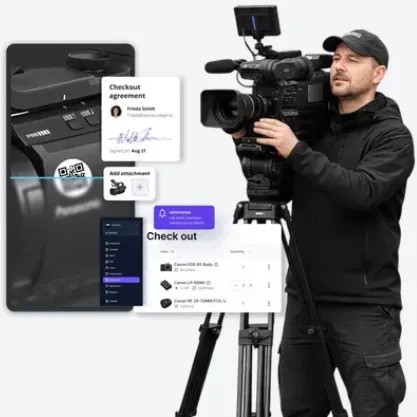
The AssetOps framework functions as an operating system for physical work, structured around four interconnected pillars. Planning involves organizing and configuring asset structures once, then coordinating projects, reservations, and physical resources across the entire organization. Accountability automates chain of custody and mobile workflows to maintain a clear record of who holds what, where assets are located, and when they are expected to return. Readiness keeps assets available for active use by linking condition monitoring, service schedules, and compliance requirements to day-to-day availability, reducing unexpected disruptions. Orchestration connects operational signals across the asset lifecycle within a single system and across existing technology infrastructure, including ERP, HR, Finance, and ITSM platforms.
This shift is producing a distinct type of operational leader who functions as both strategist and enabler, connecting teams, maintaining asset readiness, and ensuring that work moves forward without interruption. Operations vary in complexity, and no two teams function identically. The organizations that perform consistently are not necessarily those with the greatest number of tools, but those with a system aligned to how their work actually flows.
Organizations that adopt AssetOps reduce downtime, lower costs, and limit asset loss. When execution remains on track, operations shift from a logistical burden to a measurable advantage. Cheqroom supports the full lifecycle of every physical asset—from procurement through retirement—so teams spend less time on equipment administration and more time focused on core objectives. To learn how to lead an organization into the AssetOps era, schedule a personalized walkthrough at cheqroom.com.