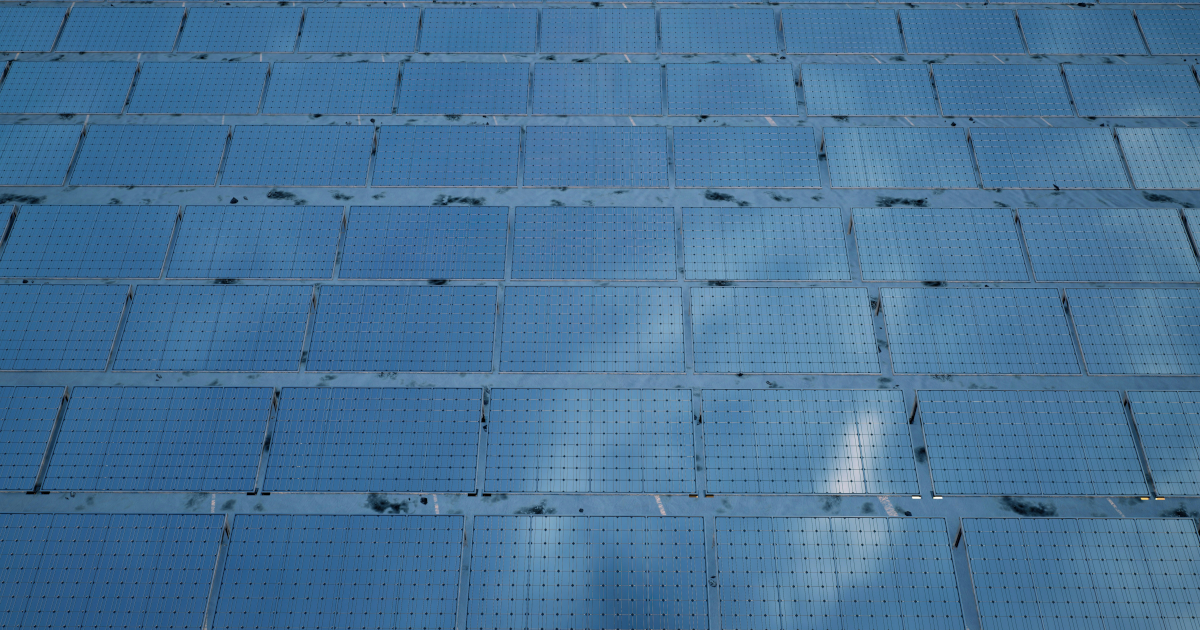
Rooftop solar panels remain out of reach for the vast majority of American households, with adoption rates hovering between just 5% and 7%. High installation costs, building constraints, and landlord restrictions have kept this renewable energy technology from reaching its full potential. However, a smaller-scale alternative known as plug-in or balcony solar is drawing attention as a more accessible option that could change the landscape of residential solar energy.
Balcony solar systems, which can be mounted on railings or placed on balconies, plug directly into standard wall outlets, allowing renters and homeowners alike to generate their own electricity without the need for professional installation or structural modifications. These systems typically consist of one or two solar panels connected to a microinverter, and they can be set up by the user in minutes. As more families acquire these systems, solar energy companies like GeoSolar Technologies Inc. could develop variations tailored to different household sizes and energy needs.
The potential impact is significant. According to the National Renewable Energy Laboratory, about 50% of U.S. households are renters or live in multi-unit buildings, groups that have been largely excluded from the rooftop solar market. Balcony solar could empower these households to reduce their electricity bills and carbon footprint without needing permission from landlords or homeowners' associations. Moreover, the lower upfront cost—typically ranging from $200 to $600 per panel—makes solar energy financially accessible to a broader demographic.
However, challenges remain. The energy output of balcony systems is limited compared to full rooftop installations, and they may not be suitable for all climates or building orientations. Additionally, safety concerns have been raised about plugging solar panels into standard outlets, though manufacturers have designed systems with built-in safeguards to prevent backfeeding and electrical hazards. Regulatory hurdles also vary by state and municipality, with some areas requiring permits or inspections for such installations.
Despite these obstacles, the growing interest in balcony solar reflects a broader shift toward decentralized, user-friendly renewable energy solutions. Companies like GeoSolar Technologies are well-positioned to capitalize on this trend, potentially offering modular systems that can be expanded over time. For more information on the evolving green energy landscape, visit GreenEnergyStocks.com.
The implications of this announcement extend beyond individual consumers. Increased adoption of balcony solar could reduce strain on the electrical grid, lower overall demand for fossil fuels, and accelerate the transition to a clean energy economy. It also opens up new market opportunities for solar manufacturers and installers who adapt to this niche. As the technology matures and regulations evolve, balcony solar may become a common sight in urban areas, bringing the benefits of solar power to millions of households previously left behind.