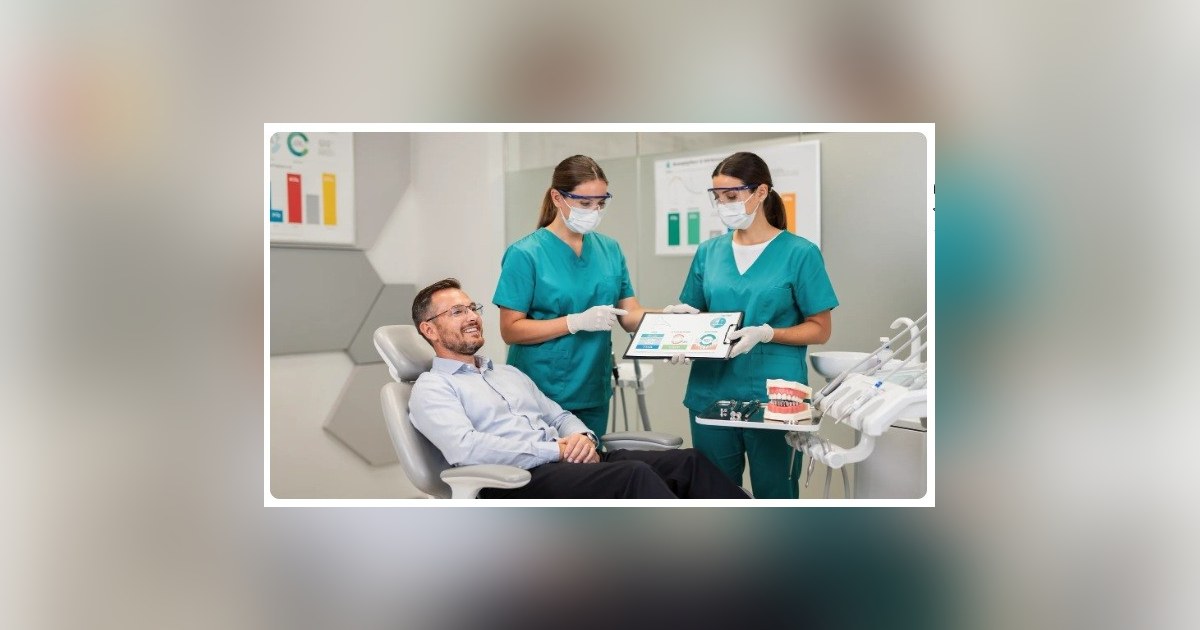
For patients missing teeth, dental implants offer a way to restore chewing ability, appearance, and oral function while helping preserve the bone around a missing tooth. However, the cost of implant treatment can be a significant concern. A recent guide from Dentist in Tyler - Dentures & Dental Implants explains that seeking Affordable Dental Implants does not mean choosing the cheapest option available. Instead, it means understanding what you are paying for, comparing complete treatment plans, investigating insurance and financing options, and selecting a qualified dental professional.
The price of dental implants varies widely because treatment is rarely a single procedure. A complete plan may include examination, diagnostic imaging, extraction, implant placement, healing time, an abutment, and a final crown or other restoration. Some patients may also require additional procedures such as bone grafting or gum disease treatment before an implant can be placed. Comparing one advertised implant price with another can therefore be misleading, as one office may quote only the implant fixture while another provides a package covering multiple stages. The guide advises patients to ask for a written estimate showing exactly what is included before assuming one option is cheaper.
Insurance coverage for implants varies significantly. Some dental plans exclude implants entirely, while others may provide benefits for certain associated procedures. The American Dental Association notes that dental benefit plans can involve annual maximums, deductibles, waiting periods, coinsurance, and service limitations. Patients are encouraged to contact their insurance provider for a detailed explanation of benefits and to ask their dental office about submitting a pre-treatment estimate to clarify expected out-of-pocket costs.
Financing can make treatment more manageable, but it should be evaluated carefully. A monthly payment may appear affordable while the total amount paid over time could be considerably higher due to interest or fees. Before signing a financing agreement, patients should review the interest rate, promotional period, required monthly payment, total repayment amount, late-payment terms, and any additional fees. Some practices also offer in-office payment arrangements that allow qualified patients to divide the cost into scheduled payments. A straightforward conversation with the financial coordinator can reveal options not prominently advertised.
When comparing providers, price should never be the only factor. Implant placement is a surgical procedure requiring careful planning, patient selection, placement, restoration, and follow-up. Patients should ask about the dentist's education, training, experience with implant cases, and how complications are handled. The FDA recommends that patients ask providers about their experience with implant procedures and complication rates before proceeding. The agency also advises patients to ask about the brand and model of their implant system and keep that information for their records.
Long-term value matters more than the lowest initial quote. If an inexpensive treatment leads to avoidable complications or requires replacement sooner than expected, the final financial burden may be greater. Dental implants can be a long-term investment in oral function and appearance, and the FDA states that implants can improve chewing and appearance and may help preserve bone and support surrounding oral structures. Choosing appropriate care at a reasonable cost is generally more meaningful than chasing the lowest promotional price.
Maintaining implants after treatment is also crucial to protecting that investment. Good oral hygiene and regular dental visits help monitor the implant, gums, surrounding teeth, and restoration. The guide cautions against dramatically discounted implant offers that may reflect limited treatment components or promotional conditions that are not clearly explained. Patients should be wary of providers who pressure them to make immediate decisions, as quality implant care begins with proper evaluation and informed consent.
Ultimately, affordable dental implants should mean better access to appropriate treatment, not lower standards. By comparing complete treatment plans and considering long-term value, patients can find care that fits both their oral-health needs and their budget. For more information, visit Dentist in Tyler - Dentures & Dental Implants.